

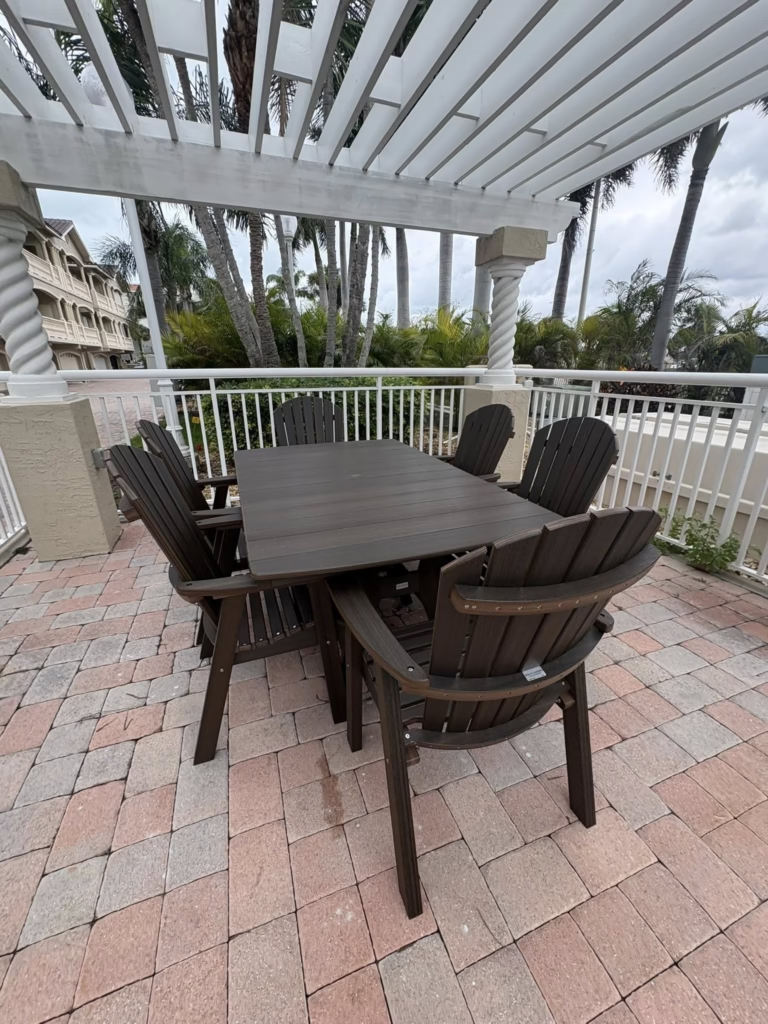
You know the Florida patio story. You bought a set last year. Maybe the year before. It looked great in the parking lot and on the website. Then Gulf air got to work.
Legs rust. Bolts bleed orange onto the pavers. Fabric fades to a sad pastel. The “wicker” softens and unravels. By the time your neighbors come over for kickoff, you’re apologizing for the chairs.
If that sounds familiar in Largo, Clearwater, St. Pete, Dunedin, or anywhere else in Pinellas, you are not alone. You also do not have to keep buying the same mistake.
Short answer: For Tampa Bay patios, the sets that survive are USA-made pieces built from Poly Lumber (HDPE), marine-grade polymer, and powder-coated aluminum—with performance fabrics and marine-grade hardware. That combo handles salt, humidity, and Florida sun for years, not one season. And the good news? It looks contemporary now—not like grandma’s porch. For a deeper materials rundown, see our guide to the best patio furniture for Florida.
Pictures help. Sitting on it in our Largo showroom helps more. Come feel the difference.
What’s hot right now: Poly Lumber grows up
Trade folks at Casual Market Atlanta keep saying the same thing: people want outdoor furniture that looks modern and does not ask for a weekend of chores.
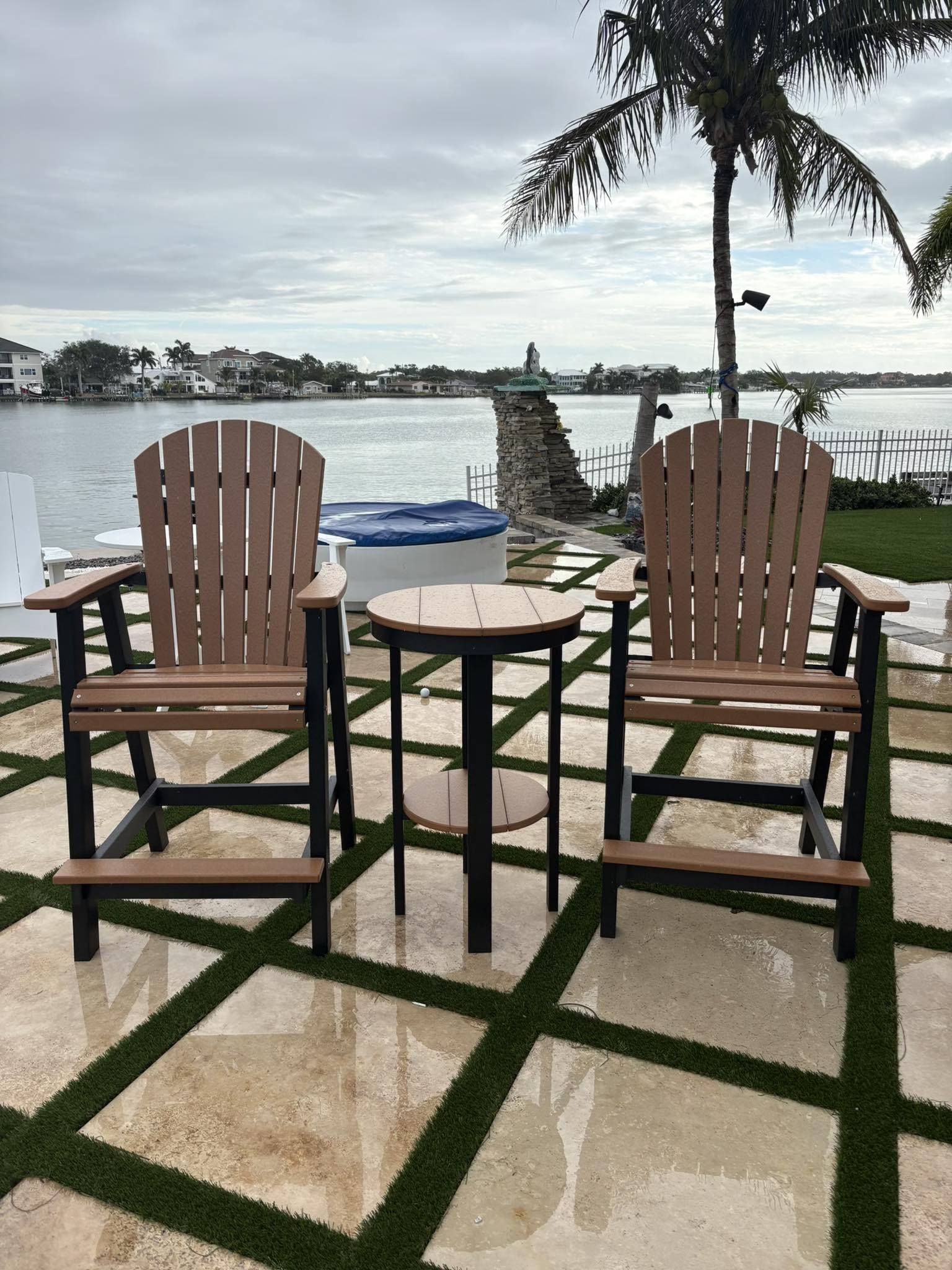
Poly Lumber—also called polywood or HDPE lumber—fits that brief. It is high-density polyethylene, often made from recycled plastics. Think milk jugs and detergent bottles turned into solid boards. Color runs through the material, not just painted on top. It will not rot. It will not splinter. It will not soak up rain like wood. You hose it off. You sit down. You move on with your day.
That is why Poly Lumber is still hot in 2025 and 2026. Big USA makers lean on it as “forever furniture.” Brands like POLYWOOD built their name on recycled HDPE lumber with serious coastal testing. Even traditional metal brands are adding poly accents and tabletops because customers want the wood look without the wood headaches.
And no—it is not only the old Adirondack anymore. Today’s Poly Lumber collections include clean dining sets, deep lounge chairs, sectionals, and mixed-material pieces that pair poly with aluminum. Warm greys, coastal tones, soft neutrals, and wood-look finishes read current. Your patio can feel like a second living room, not a yard-sale leftover. Browse our full outdoor patio furniture selection when you are ready to compare styles side by side.
Why Poly Lumber loves Pinellas County
Pinellas is hard on furniture. Salt air rides inland farther than most people think. Humidity sits in screened lanais like a wet blanket. Afternoon storms dump water, then the sun bakes everything dry—and then does it again tomorrow.
Cheap hollow plastic chalks and cracks. Soft metals pit. Cheap fabric stains, fades, and wears out. Poly Lumber shrugs. Salt does not eat it. Humidity does not swell it. UV has a much harder time bleaching color that goes all the way through the board.
If you live near the water in Clearwater Beach, Treasure Island, or Tierra Verde, that matters. If you live inland in Largo, Seminole, or Pinellas Park under a lanai, that still matters. Different microclimates. Same Florida problem: moisture plus sun plus time. We deliver and advise across our Pinellas County service area.
The Florida killers (and what actually stops them)
Let’s name the enemies so you can shop with your eyes open.
- Salt air — Attacks cheap steel hardware first. Rust stains show up on cushions and pavers. Then frames fail.
- Humidity — Stains and wears out cheap fabric and foam. Softens natural wicker and rattan until it unravels.
- Sun — Fades surface dyes. Heats dark metal. Breaks down plastics that were never meant for Gulf UV.
- Daily storms — Water sits in seams and hollow legs. Wind tests light, flimsy frames.
What works against that list is not mysterious. It is just honest materials.
- Poly Lumber / HDPE / marine-grade polymer — Solid, color-through, no rot, no rust of its own. See how makers like POLYWOOD engineer lumber for sun and salt.
- Powder-coated aluminum — Aircraft-quality frames that cannot rust the way iron and cheap steel do. The powder coat is baked on as a shield. Collections from Woodard and Castelle show how far USA aluminum design has come—compare finishes with the makers at Woodard Furniture and Castelle.
- Marine-grade stainless hardware — The quiet hero. Fancy frames still fail if the bolts are junk.
- Sunbrella and other performance fabrics — Solution-dyed acrylics where color lives in the fiber. Built for sun, spills, and rinse-downs. You can clean these fabrics with a bleach solution without hurting the fabric for years—often a decade. Learn more from Sunbrella, and feel the fabrics on NorthCape deep seating (maker site: NorthCape).
- Resin wicker over aluminum — The woven look without natural rattan’s short Florida life—especially when the weave sits over a real aluminum frame, not mystery metal.
We have been matching those materials to pool decks, lanais, and waterfront homes from our Belcher Road showroom in Largo for decades. Trends change. Salt water does not.
Contemporary outdoor living (without the catalog stiff talk)
A lot of folks walk in and say the same thing: “I want something nice. Not frilly. Not temporary. Not the set my aunt had in 1994.”
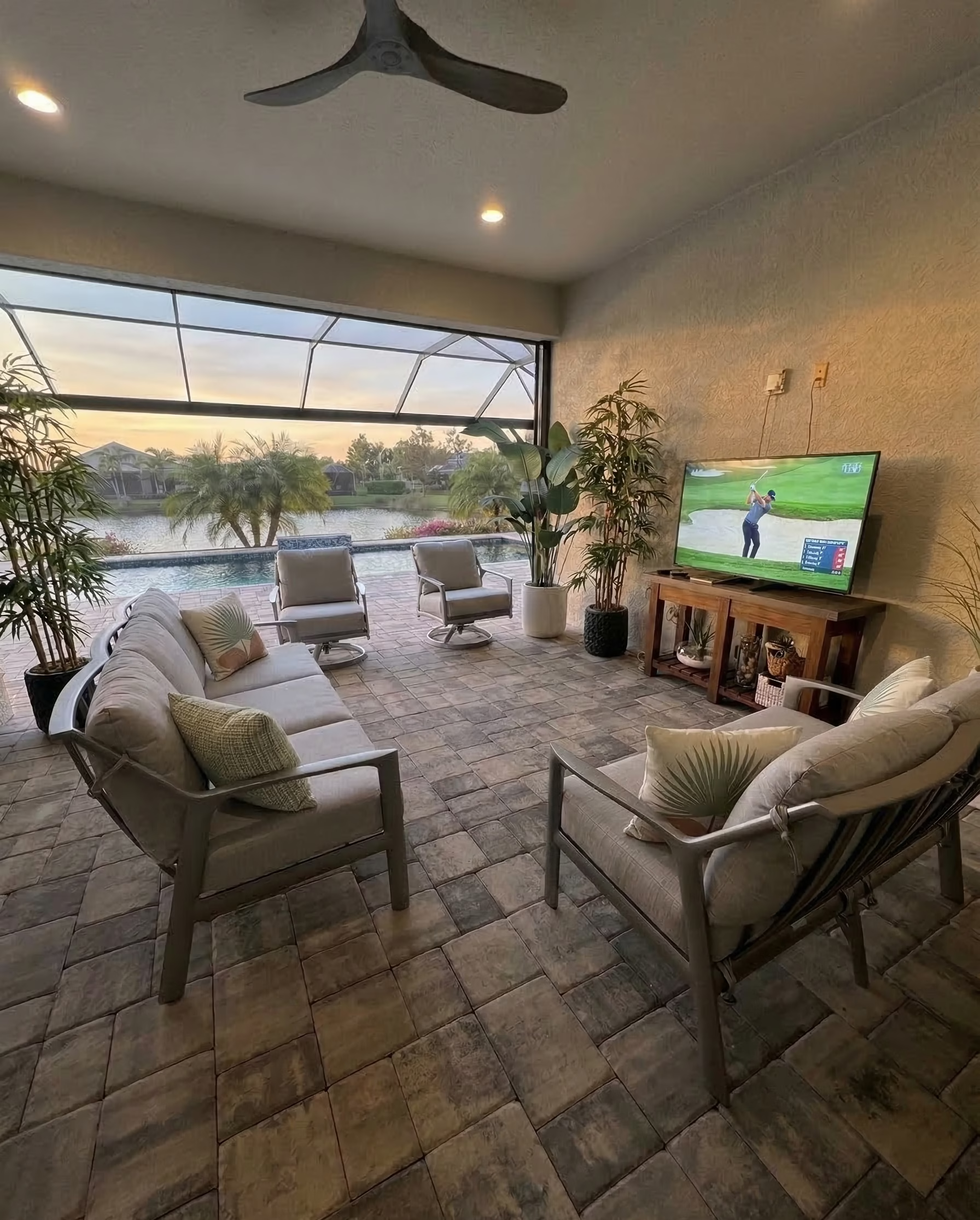
Fair. Contemporary outdoor living right now leans calm and clean. Soft curves instead of sharp boxes. Warm neutrals instead of cold chrome everything. Mixed materials that add texture—poly next to aluminum, woven detail next to solid boards—without looking busy.
Deep seating is popular because people actually live outside here. Modular pieces help when you host the whole family one weekend and want a quiet coffee corner the next. Dining sets still matter, but they look less formal and more “stay for dessert under the fan.”
Style matters. Durability decides whether you still like that style three hurricane seasons from now.
A quick checklist before you buy anything
Use this when you shop—online or in a store.
- Is it USA-made from materials meant for outdoors year-round?
- Are frames aluminum (powder-coated) or solid Poly Lumber / polymer—not steel dressed up for the photo?
- Is the hardware marine-grade stainless, especially near salt?
- Are cushions performance fabric (Sunbrella-type), not indoor cloth with an outdoor label?
- Can you sit on it before you commit? Seat height, depth, and “does my back like this” never show up in a product shot.
If a set fails that list, it may be cheap today and expensive by next Labor Day.
Why “good enough” from the big box is not good enough here
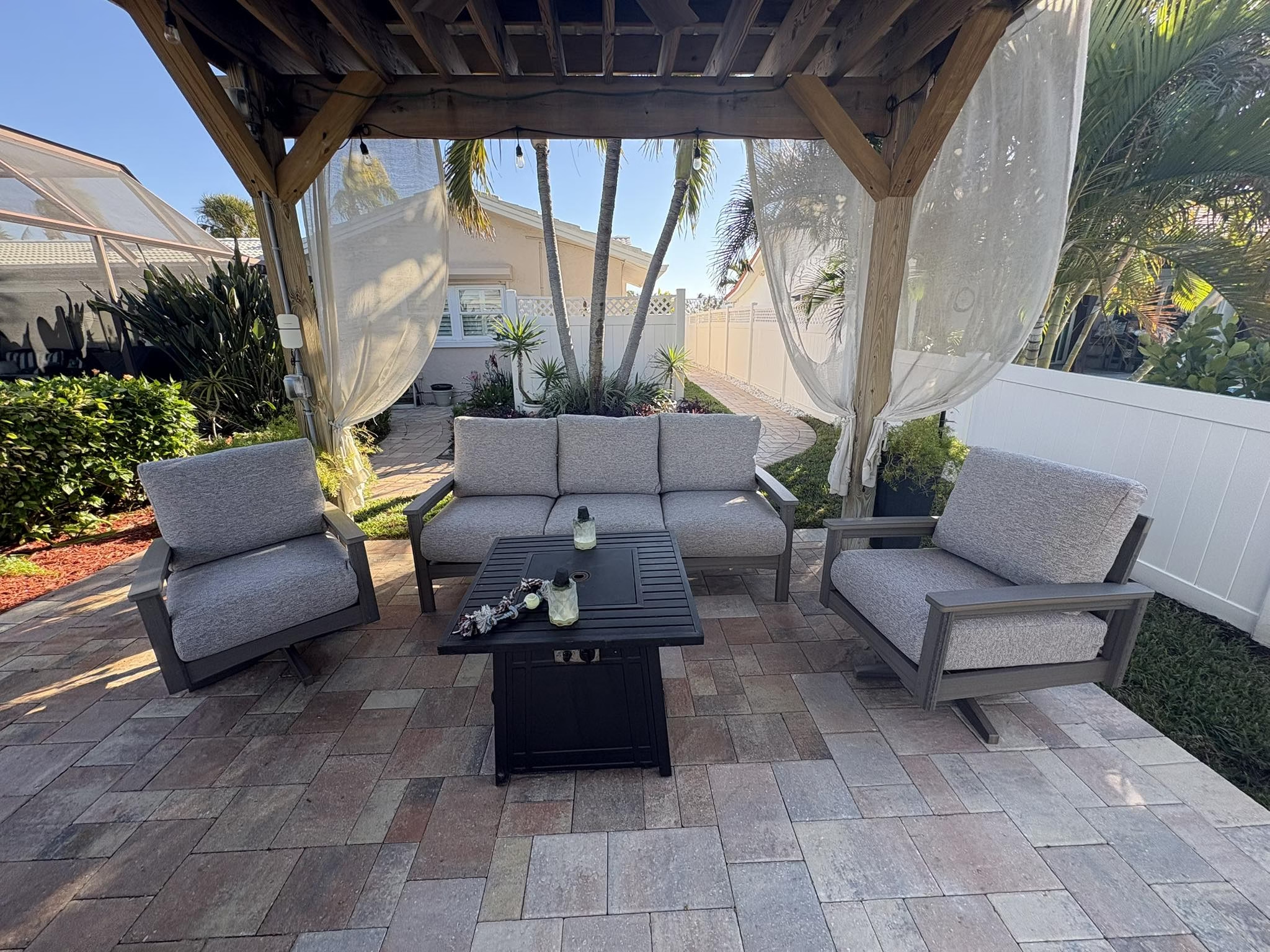
We will not pretend. Bargain imports fill a lot of parking lots every spring. Some look sharp for a few months. Then Florida does what Florida does.
When frames thin out, hardware rusts, and fabric pills after one wet summer, you did not save money. You rented disappointment. Pinellas homeowners who replace a failed set usually tell us the same thing: “We should have bought the real stuff the first time.”
Higher-end, USA-made furniture costs more up front. It also stays on the patio instead of in the trash. That is the whole pitch—no hard sell required.
Match the furniture to your spot (pool, lanai, waterfront)
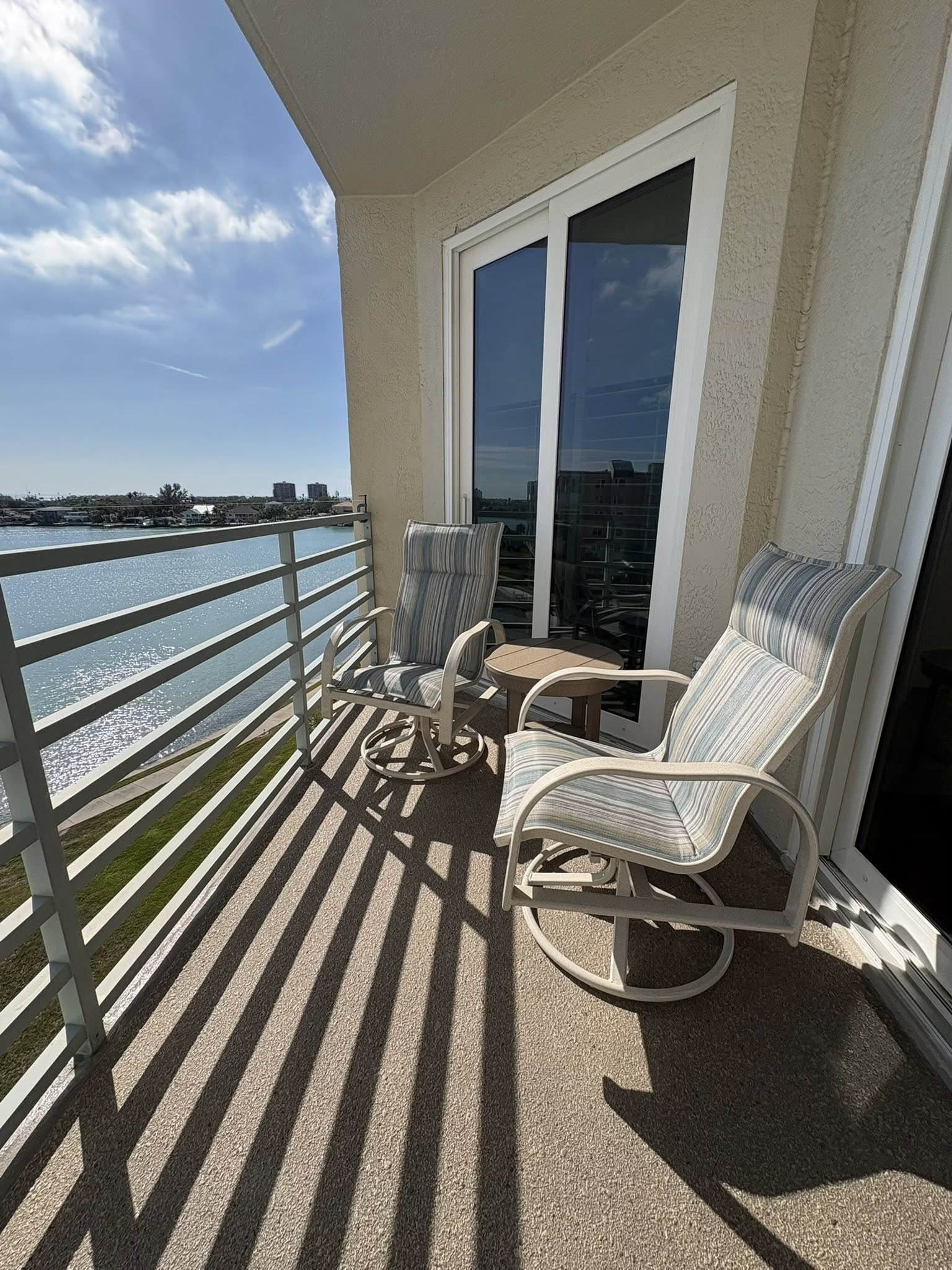
Not every great piece belongs in every corner of Tampa Bay.
Open pool decks want materials that laugh at splash and sun—Poly Lumber and powder-coated aluminum shine here. Pick fabrics that rinse clean after sunscreen and pool parties.
Screened lanais trap humidity. Quick-dry sling seating and performance cushions help. You still want frames that ignore moisture.
Waterfront and barrier-island homes need the full coastal kit: polymer or poly lumber, aluminum, marine stainless, serious fabric. Salt spray is not a rumor when you can smell the bay from the chaise.
Windy high-rise balconies need weight and smart footprints so afternoon storms do not rearrange your furniture for you.
This is the part catalogs cannot do for you. We walk your layout, ask how you actually use the space, and point you at pieces that fit—because we have helped Pinellas families from 13655 Belcher Rd in Largo for years.
Still, even the best advice has a limit. You need to sit. Touch the arm. Feel the cushion density. Check whether the dining chair clears your table the way you like. That is why we keep saying it: come to Largo.
What “lasts a decade” really looks like

Industry talk in 2025–2026 keeps circling the same idea: stop treating outdoor furniture like a disposable fashion item. Buy once. Live with it. Refresh pillows if you want a new color story. Keep the bones.
On a Gulf Coast patio, that usually means:
- Poly Lumber or marine-grade polymer for solid seating and tabletops that never ask for stain or sealant
- Powder-coated aluminum when you want lighter moveable frames or classic cast looks that still refuse to rust
- Performance fabrics you can clean without panic
- Hardware that will not leave rusty freckles on your deck
Rinse salt off when you can. Bring cushions in for big storms if you are the careful type. Otherwise, enjoy the space. That is the point.
FAQ: Poly Lumber and Florida patio furniture
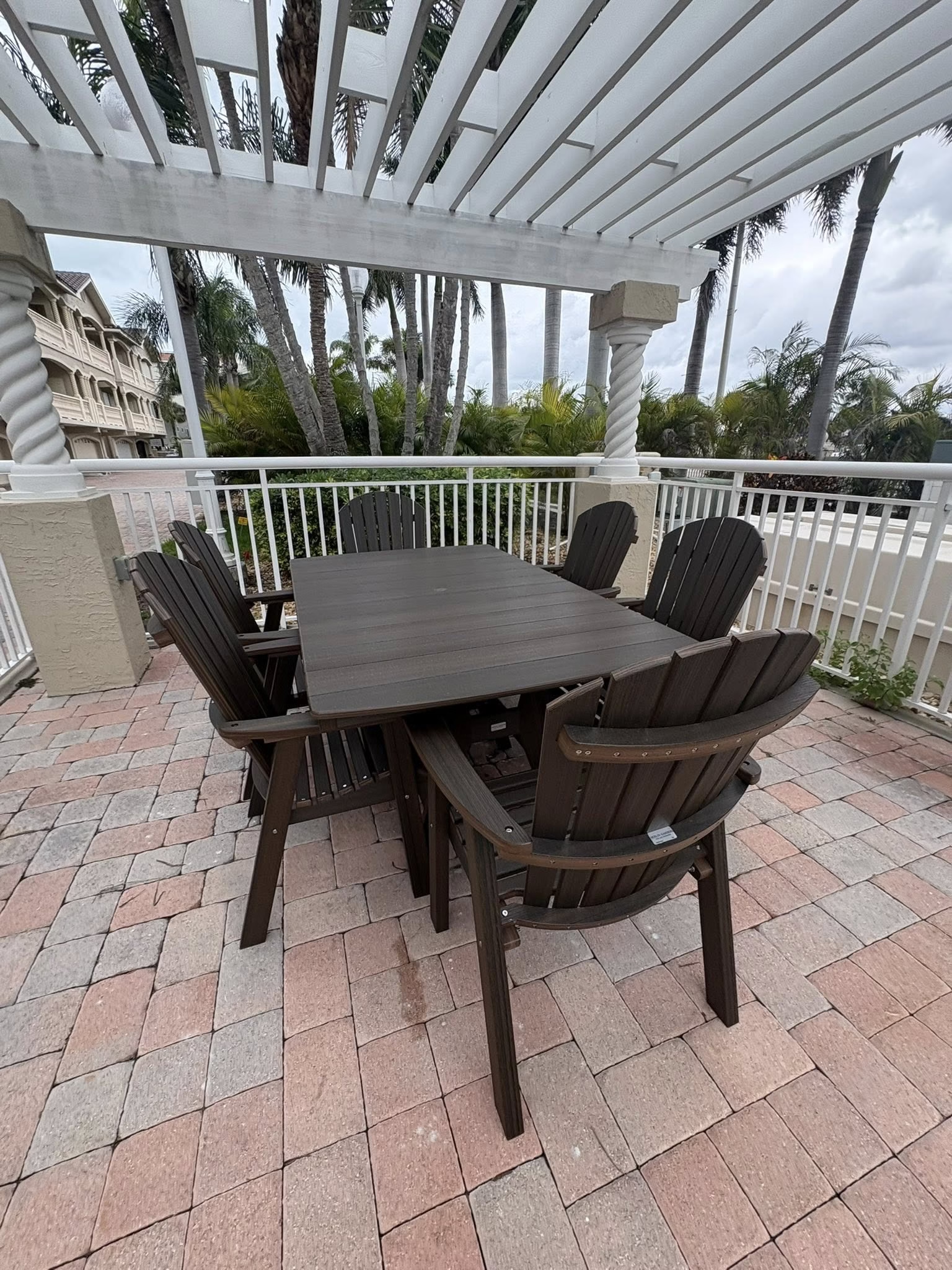
What is the best patio furniture for Pinellas County?
USA-made Poly Lumber (HDPE), marine-grade polymer, and powder-coated aluminum—with Sunbrella-type fabrics and marine-grade stainless hardware—hold up best against salt, humidity, and sun.
Why do cheap patio sets fail so fast here?
Salt rusts cheap steel hardware, humidity stains and wears out cheap fabric, and Gulf UV fades surface dyes and breaks down plastics that were never built for this climate—often in one season.
Is Poly Lumber the same as POLYWOOD?
Poly Lumber is the material. POLYWOOD is a leading USA brand that makes furniture from recycled HDPE lumber. Same family of solid, color-through outdoor boards that will not rot or splinter.
Should I sit before I buy?
Yes. Photos cannot show seat height, depth, or how a frame feels. Come sit on it in Largo before you decide.
Come sit before you decide
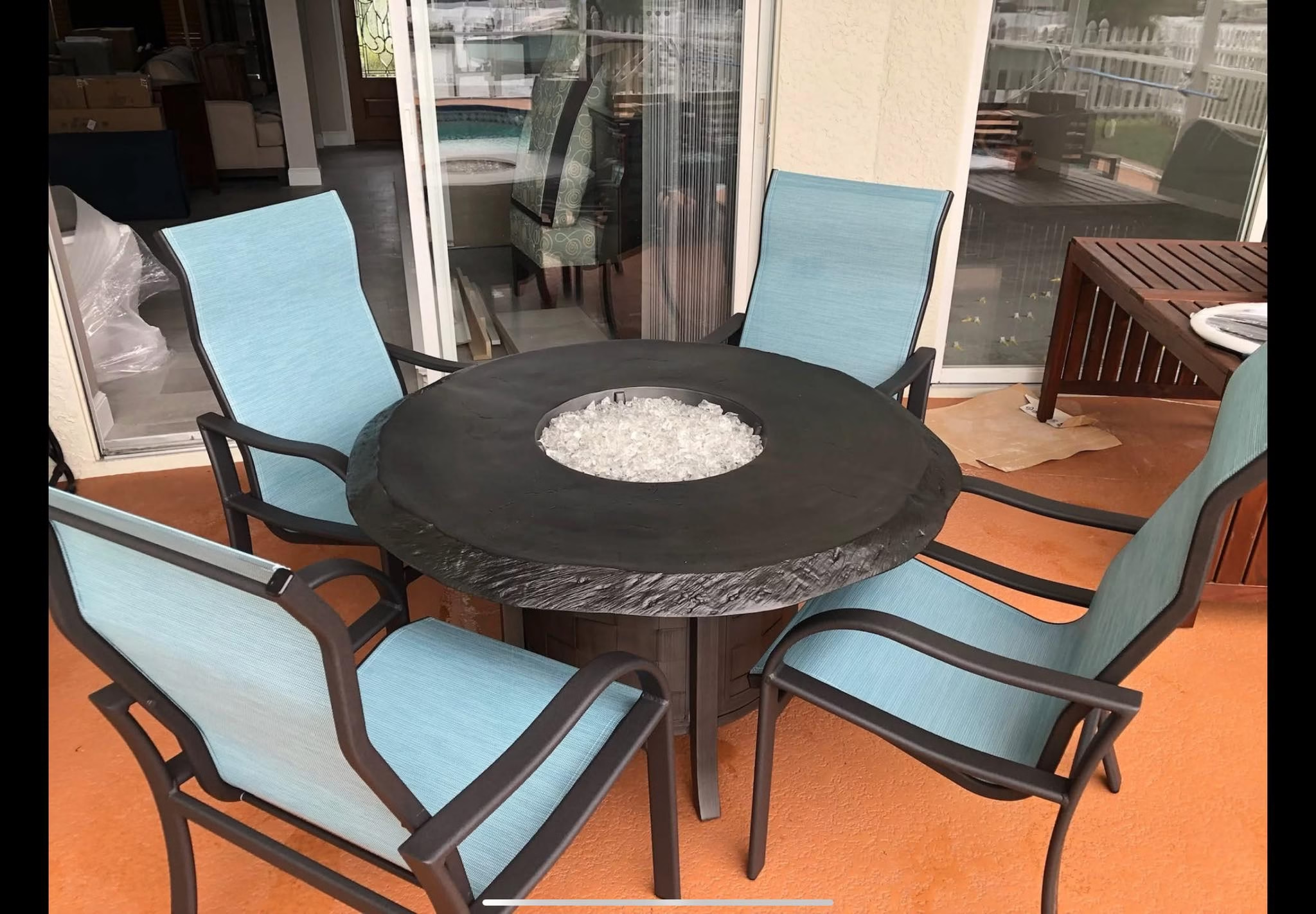
Online photos of USA-made patio furniture look nice. We put plenty online ourselves. But Tampa Bay light is different. Your height is different. Your lanai dimensions are different. The way a Poly Lumber arm feels under your hand does not show up in a thumbnail.
Patio Showcase is here for neighbors who are done replacing sets every other year. We sell higher-end, USA-made outdoor furniture because Florida is not gentle—and because you deserve a patio you are still proud of when the next generation of kids jumps off the pool deck.
Whether you are replacing a rusted bargain set, furnishing a new waterfront condo, or finally making the lanai the place everyone wants to hang out, we will help you match contemporary style with materials that survive Pinellas weather.
Pictures are great, but nothing beats sitting on it, touching it, and feeling the difference. Get directions to our Largo showroom and come sit on it.
Patio Showcase
13655 Belcher Rd, Largo, FL 33771
(727) 531-2260
Mon–Sat 9:30 AM–5:30 PM · Sun 10:00 AM–4:00 PM